Subtotal $0.00

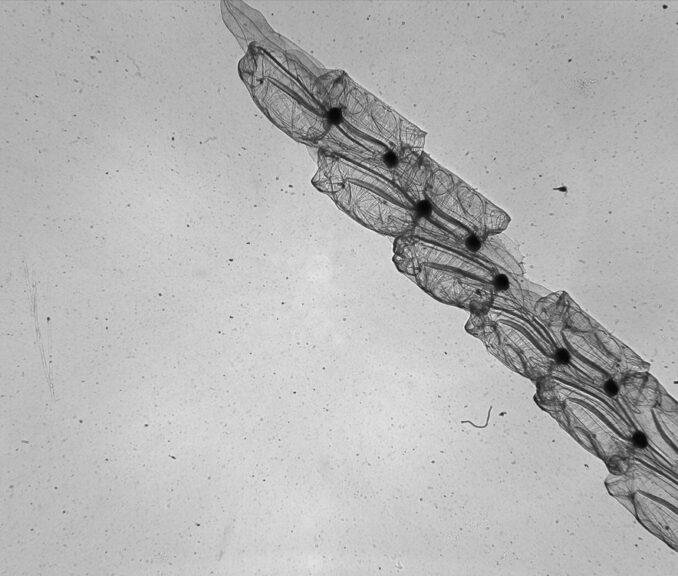
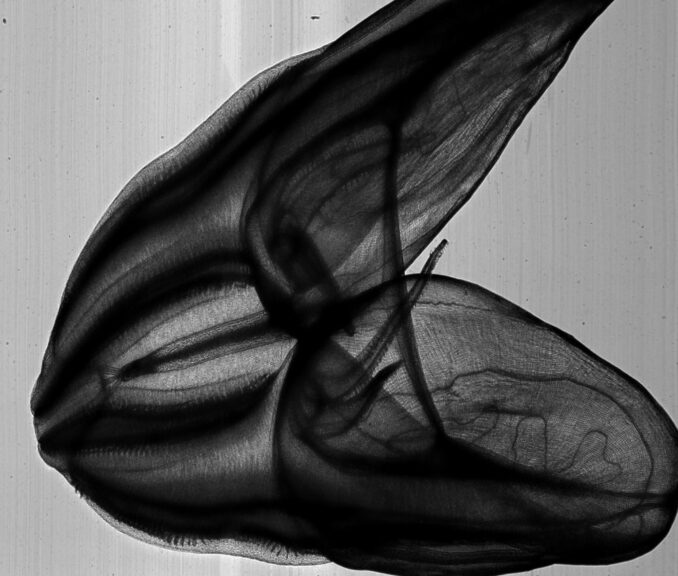
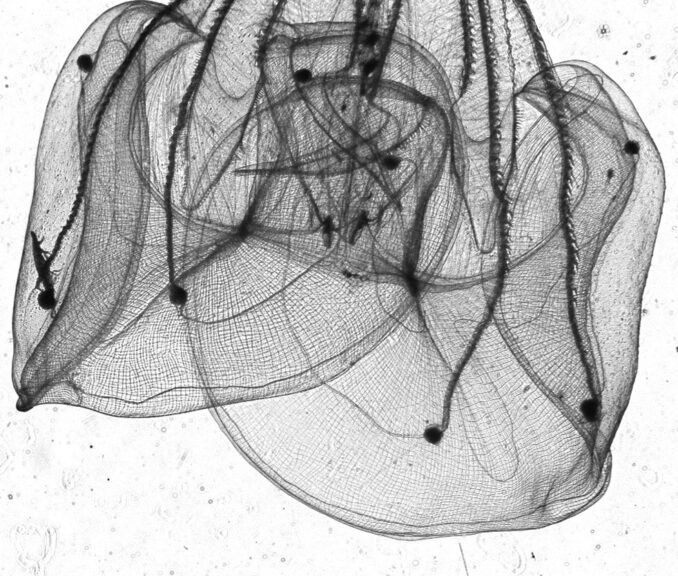
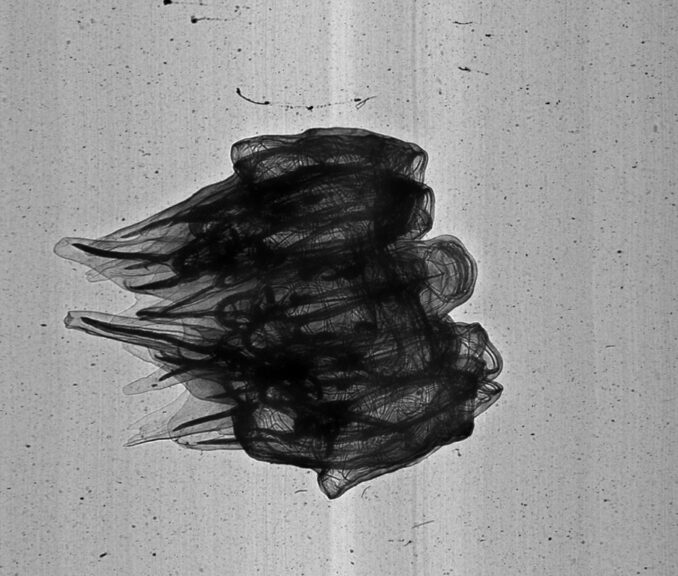
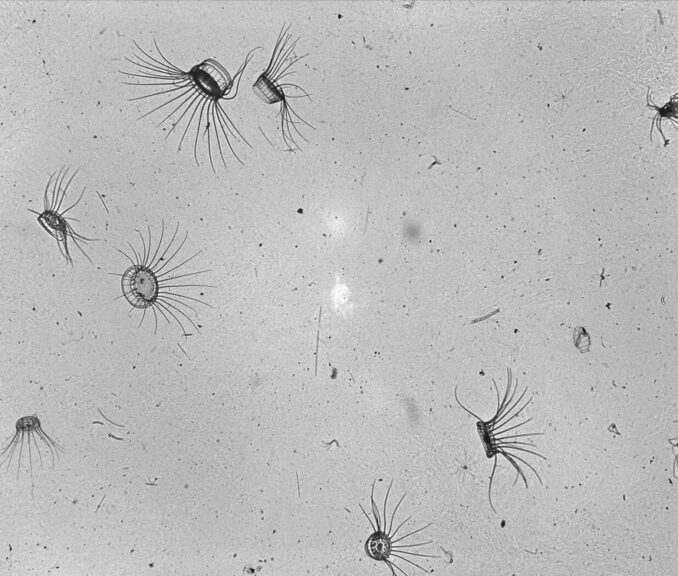
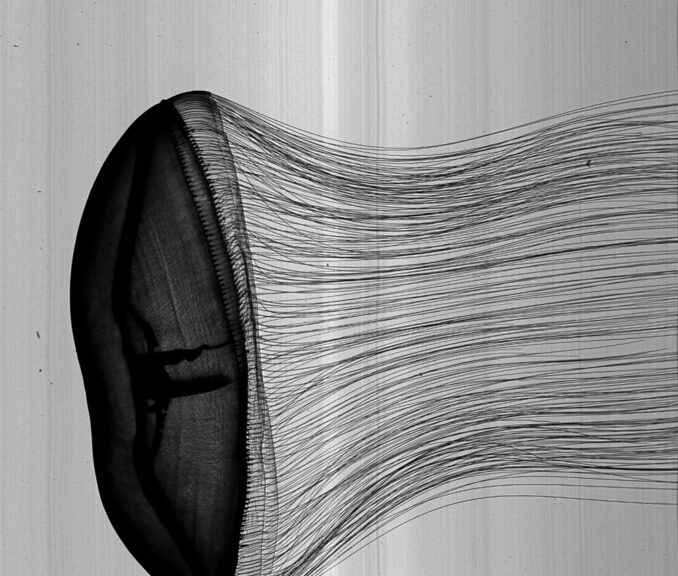
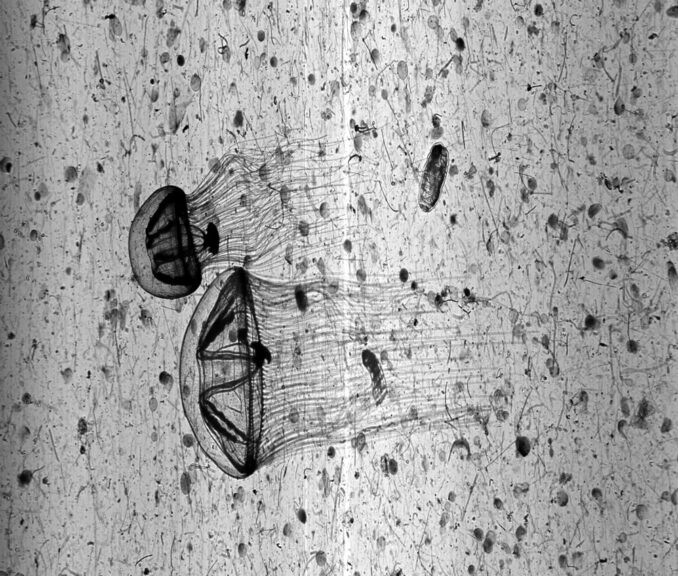
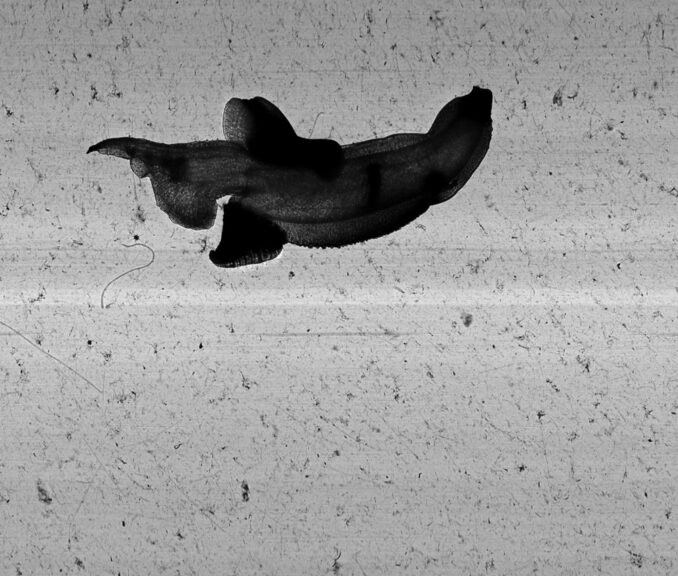
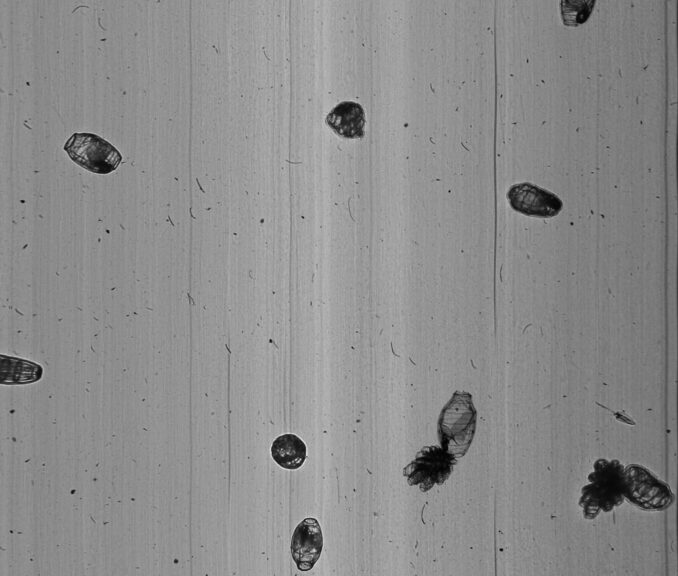
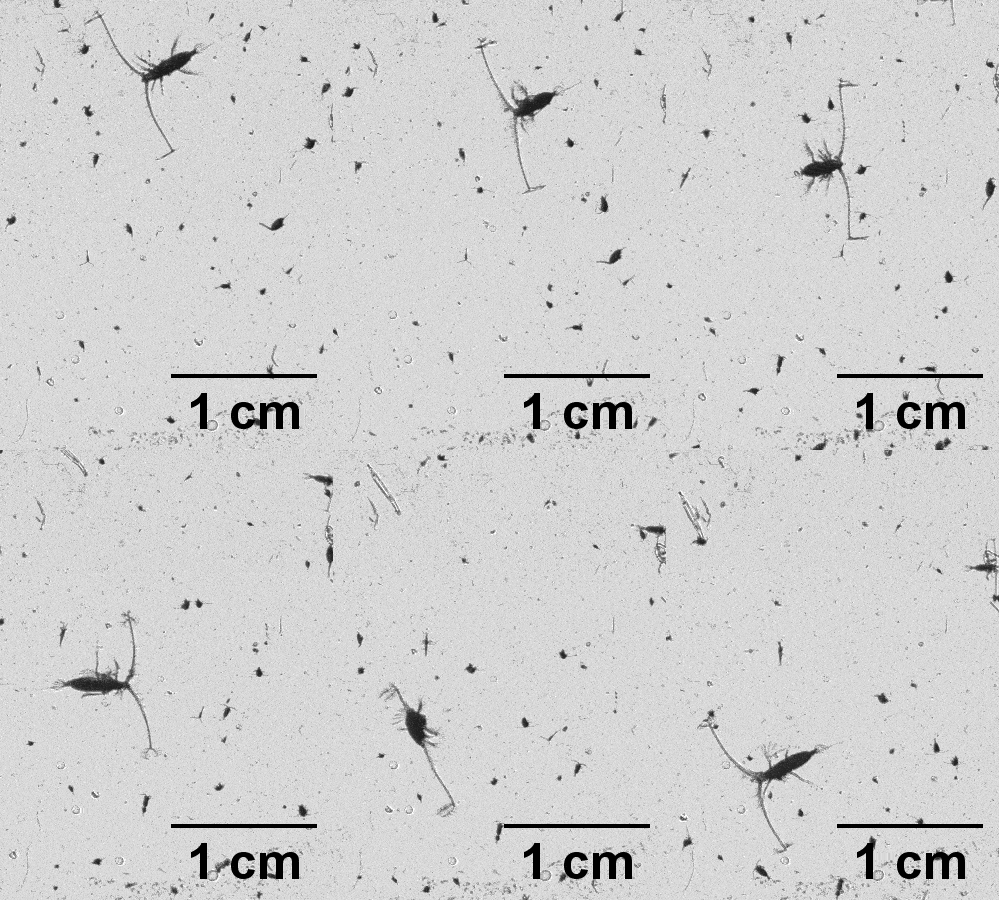
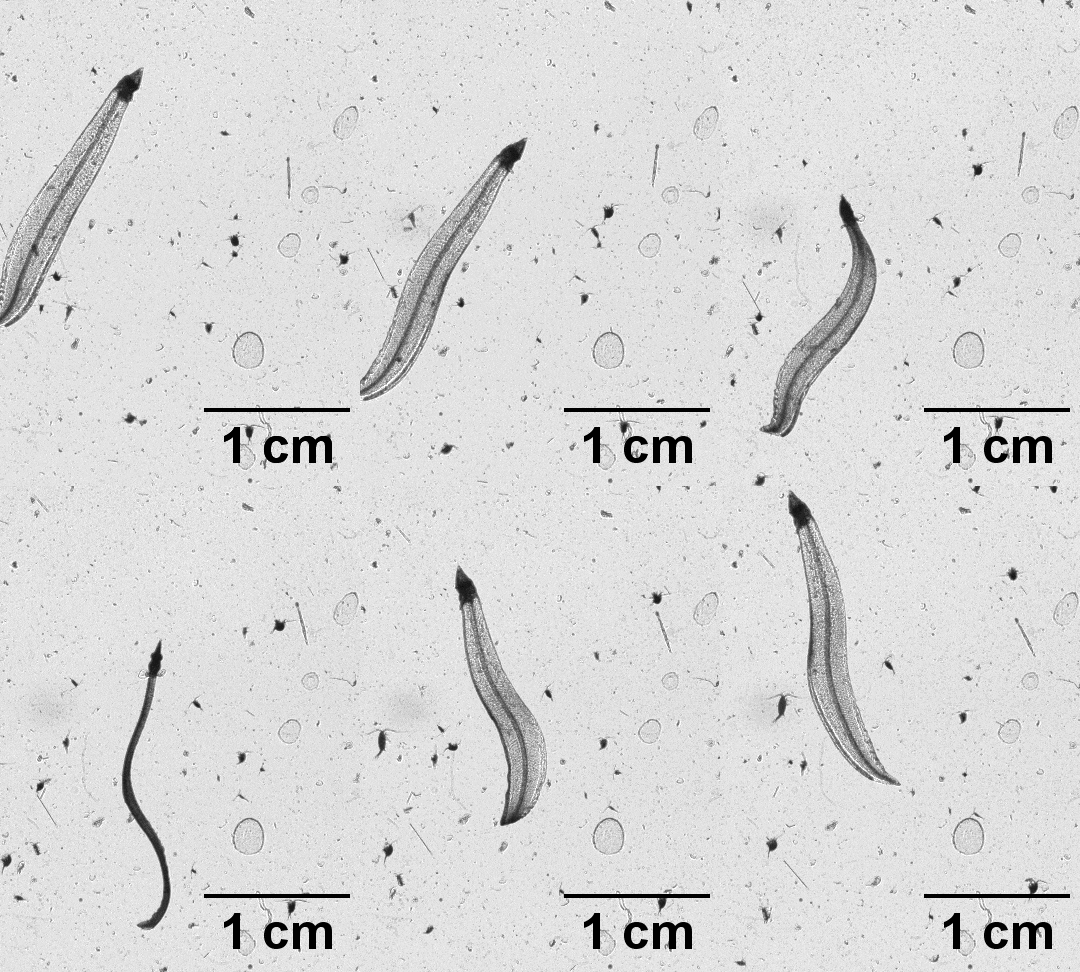
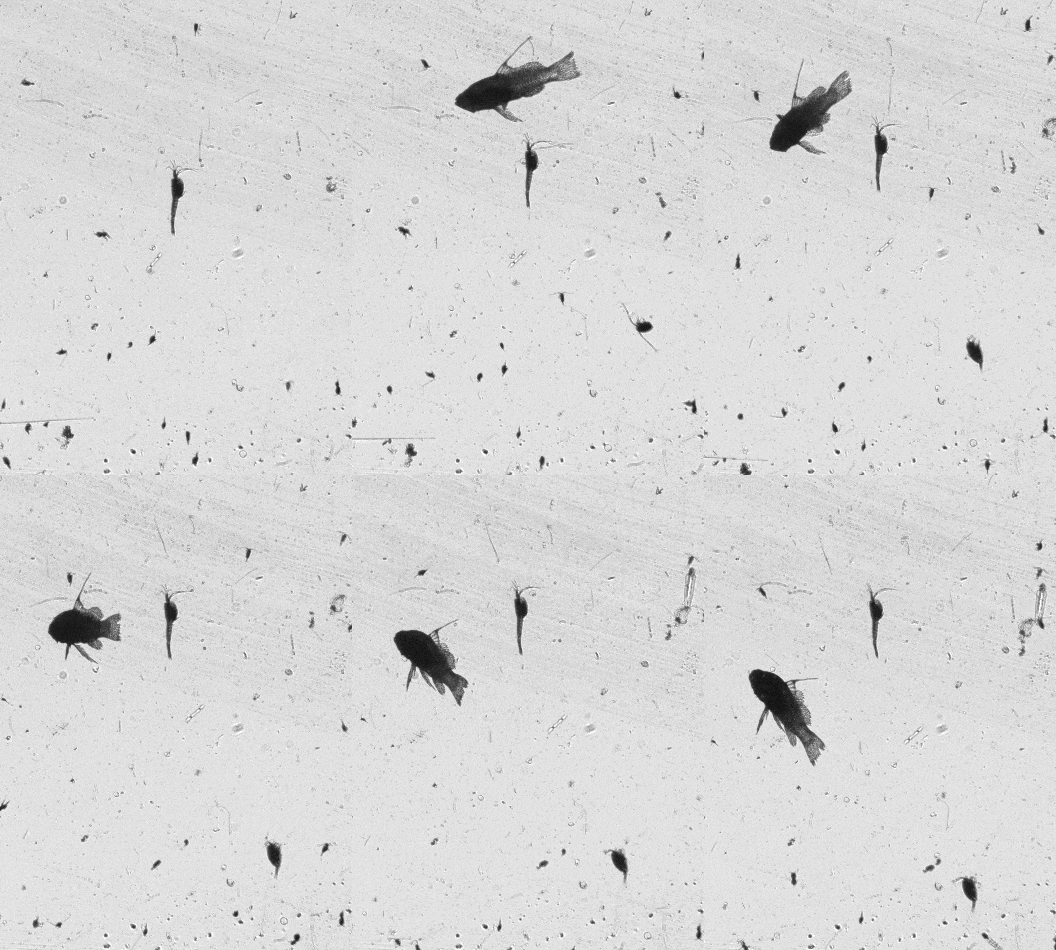
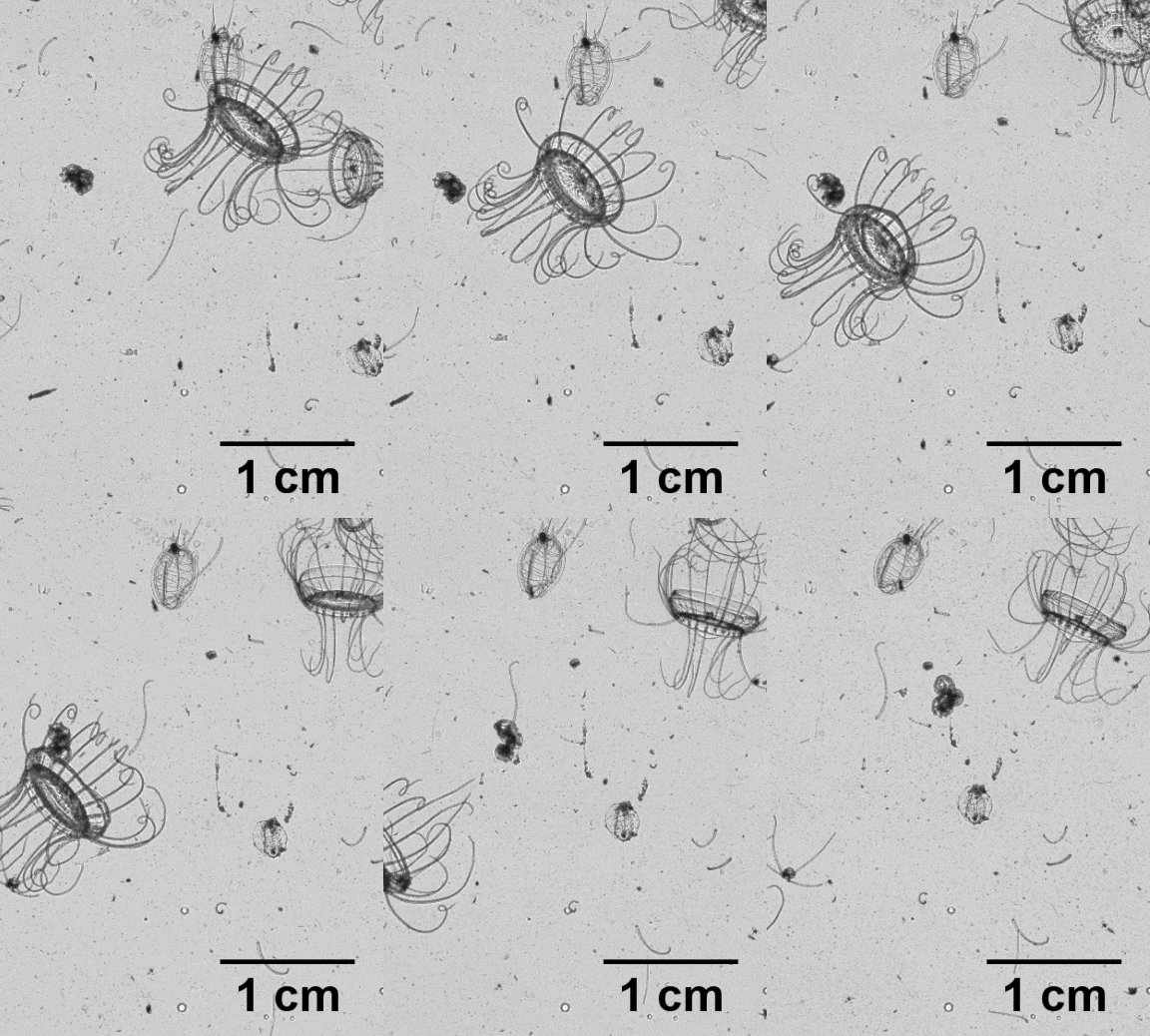
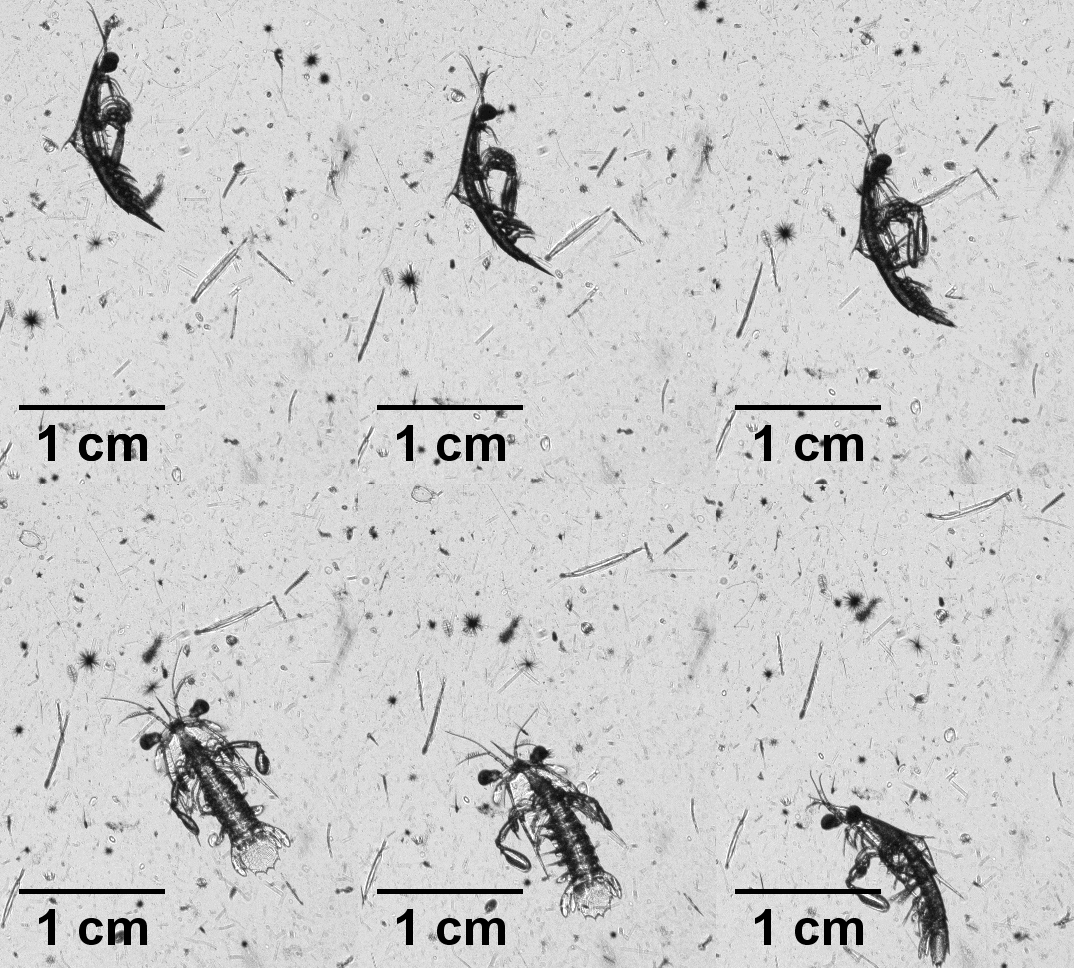
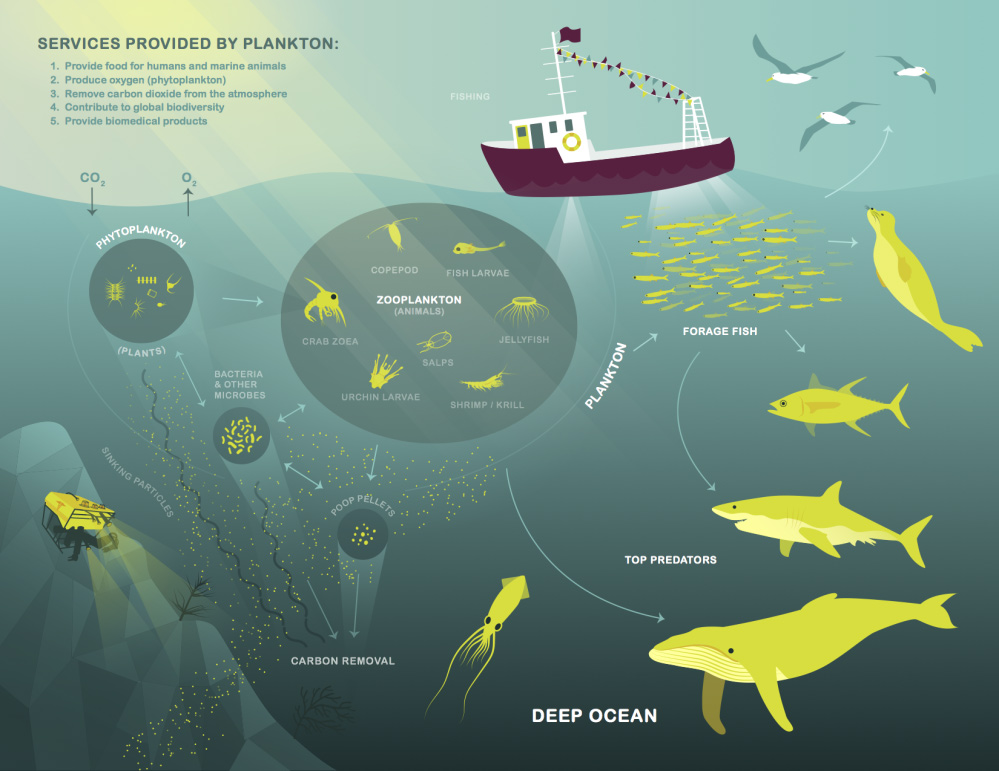

Plankton are a critically important food source. Plankton also play an important role in the global carbon cycle. This cycle captures the Sun’s energy and the atmosphere’s CO2 at the surface of the ocean and releases it to other organisms and other areas of the ocean. Understanding where and when plankton occur at different depths in the ocean allows scientists to get a global understanding of the function and health of the ocean from small to global scales.
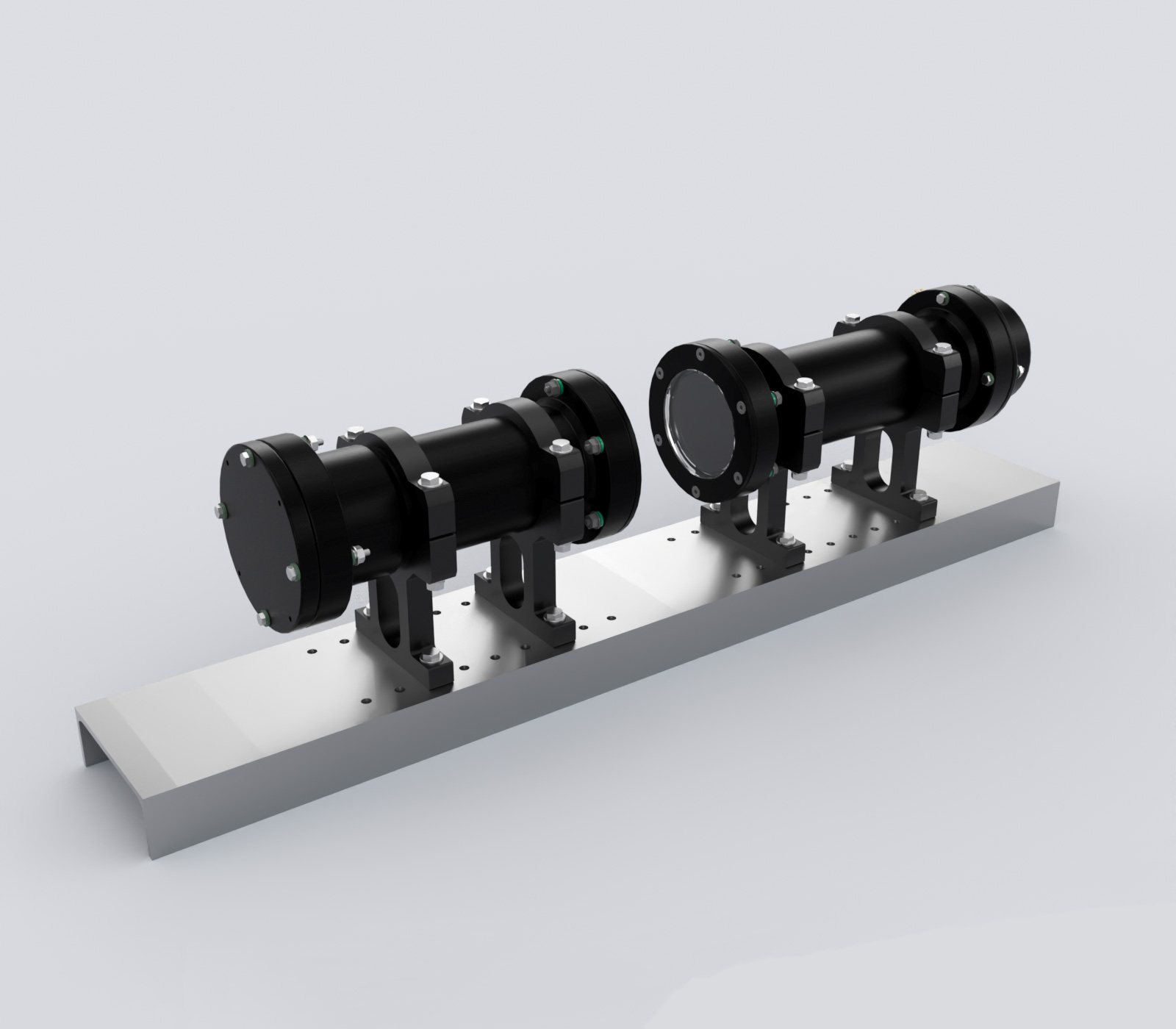
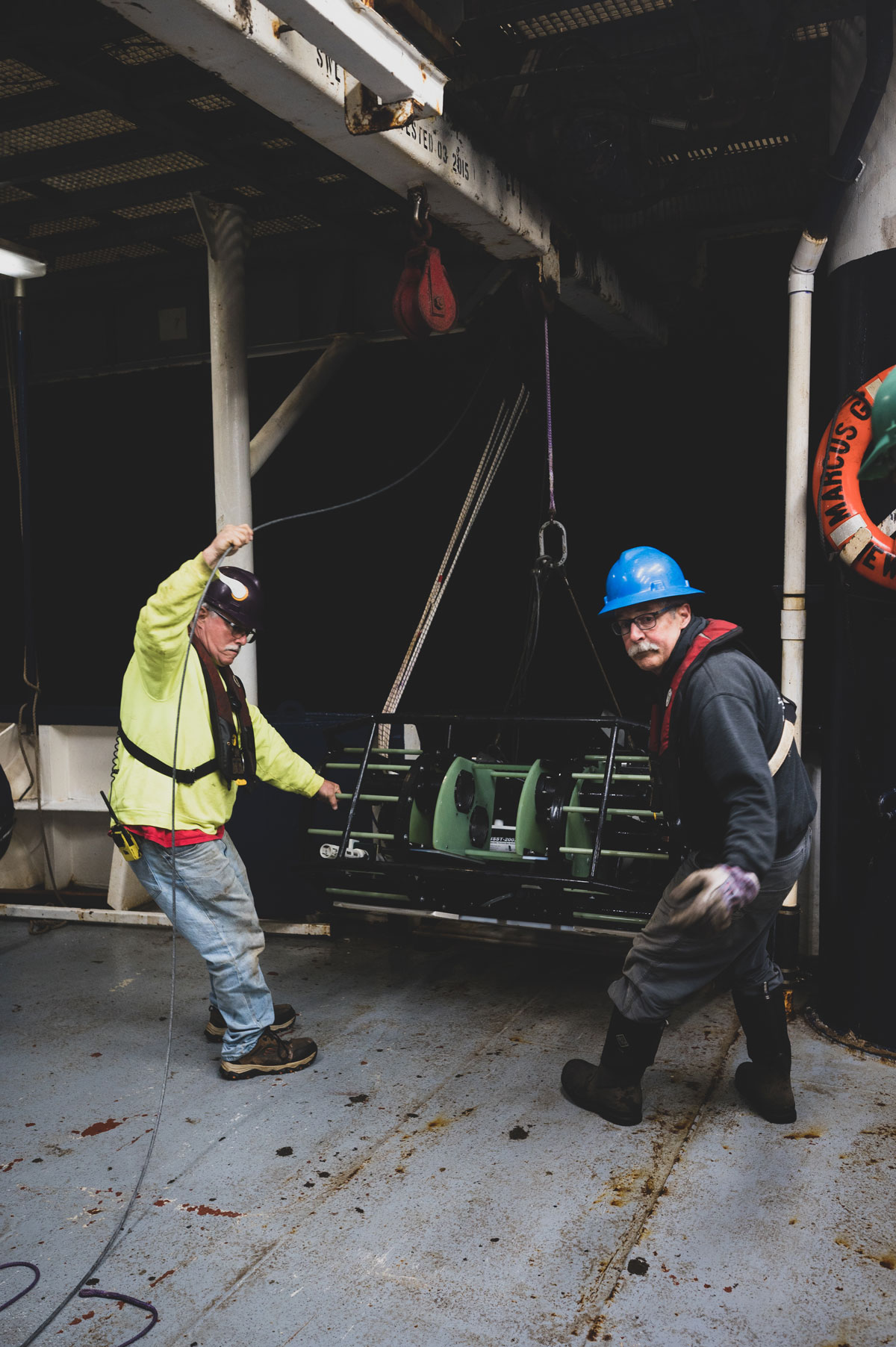
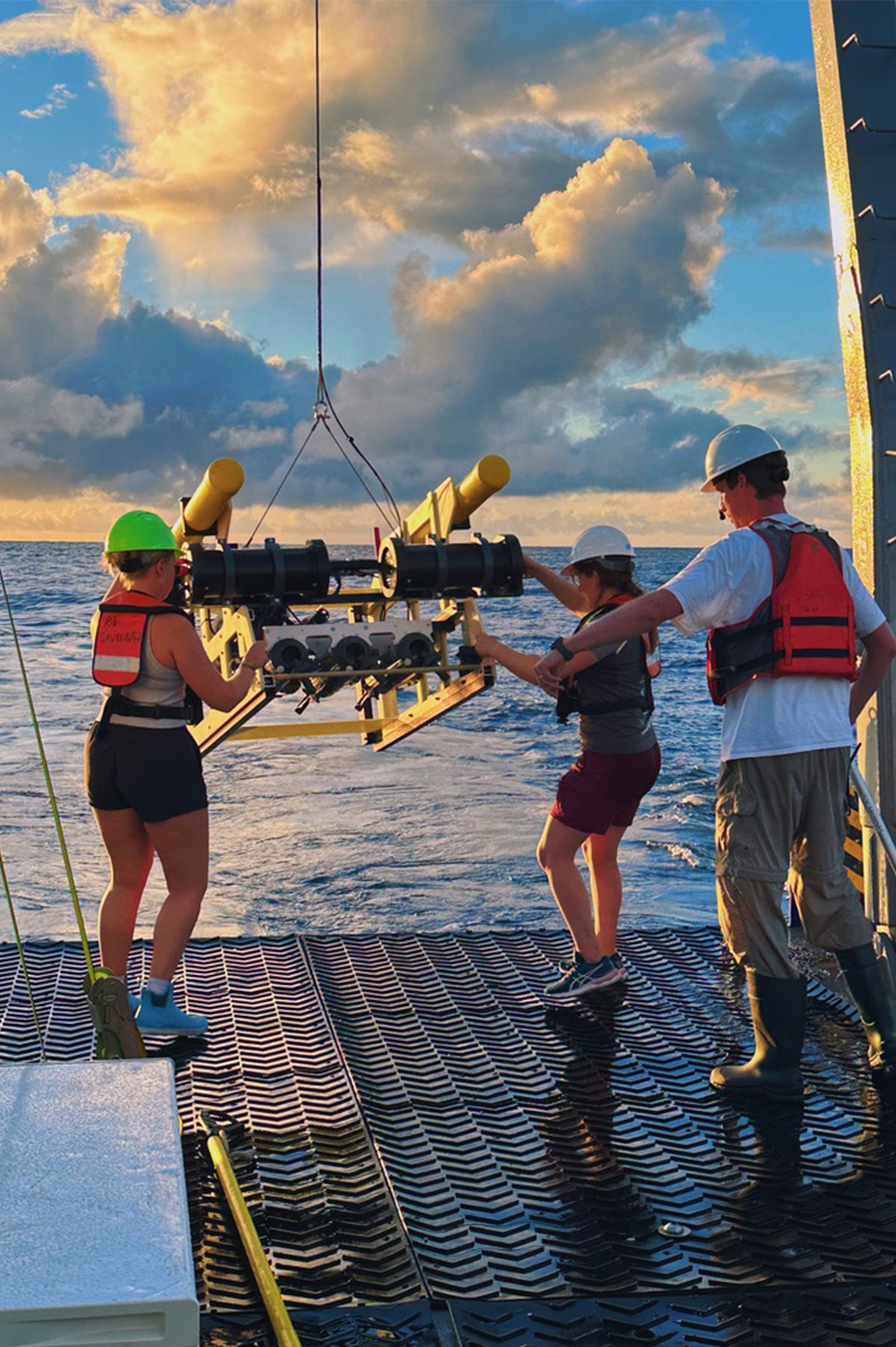
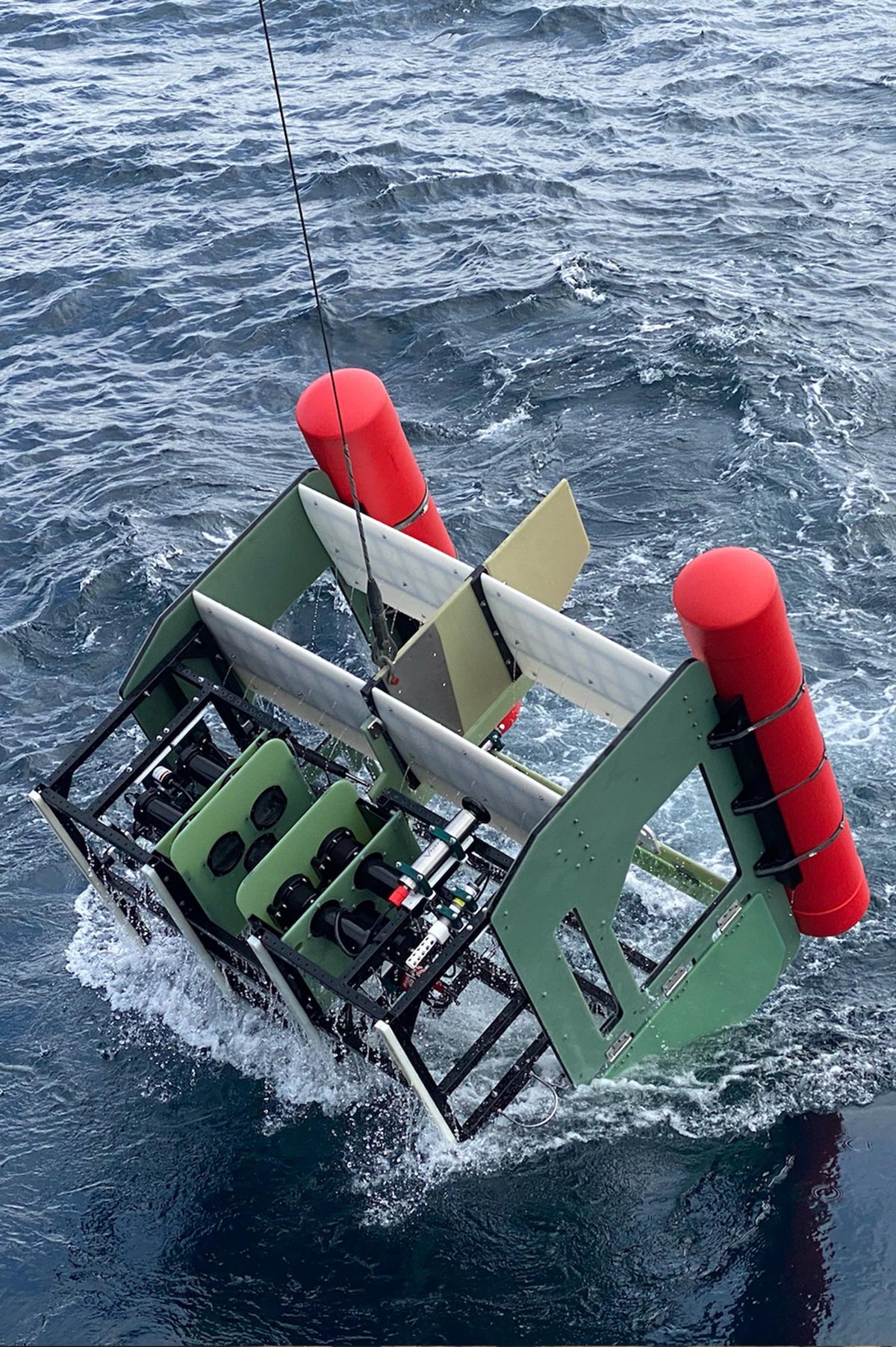
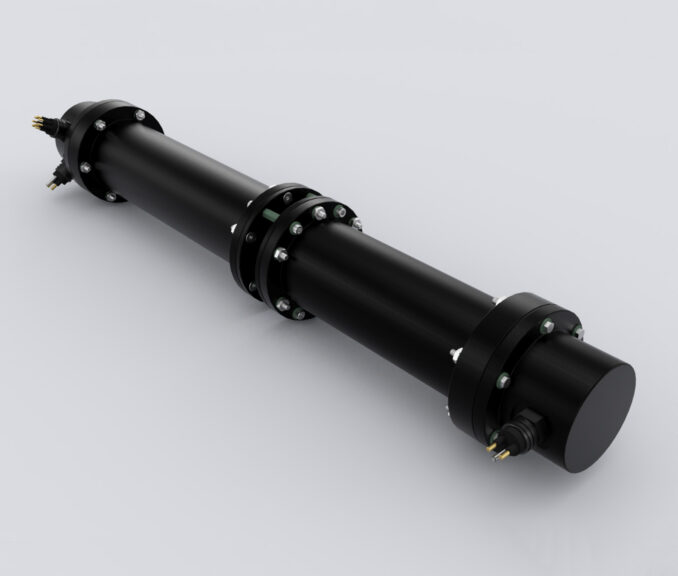
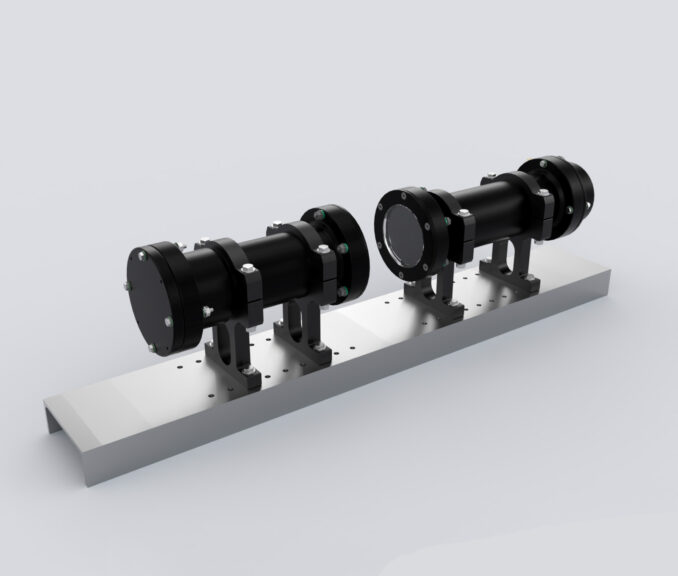
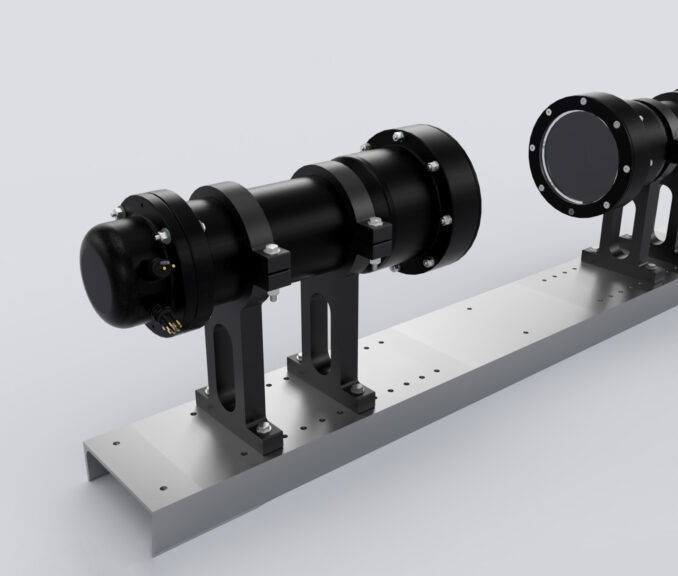
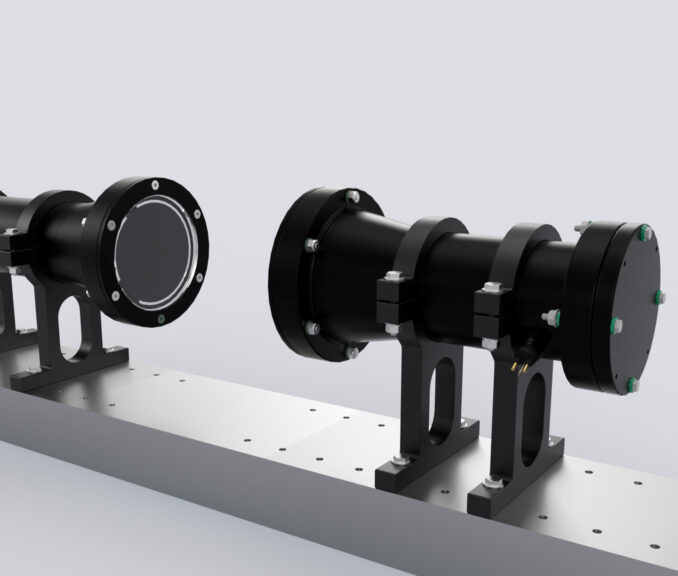
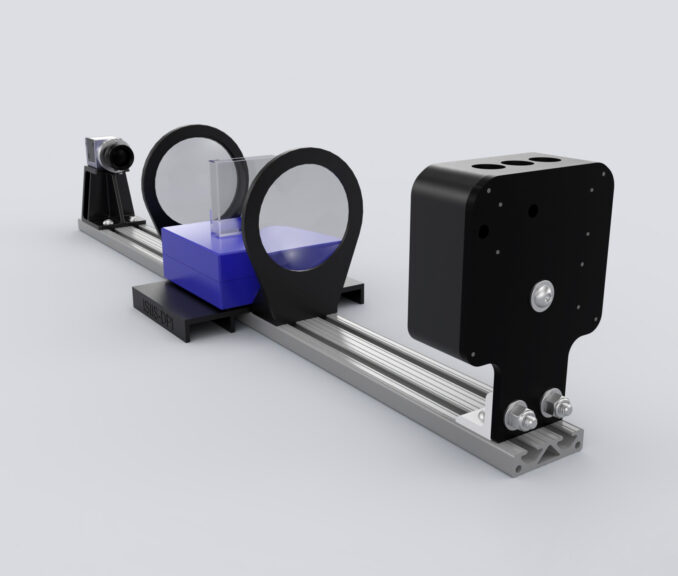
Traditional plankton sampling destroys the very thing it tries to measure. ISIIS-DPI changes that. The ISIIS-DPI Plankton Imager is an in situ imaging system designed to observe plankton communities at their natural scale and distribution. It captures high-quality images of plankton, gelatinous organisms, and marine particles in-situ, while sampling large volumes of water at fine spatial and temporal resolution. ISIIS-DPI systems can be configured with line-scan cameras for constant-speed towed surveys, typically around 5 knots. An Area-scan camera configuration provides for more flexible operations such as variable tow speeds, vertical profiling, and stationary deployments. This versatility makes ISIIS-DPI a field-proven platform for studying plankton ecology, trophic interactions, and biological–physical coupling beyond the limits of traditional sampling methods.