Analyze
How do images become scientific data?


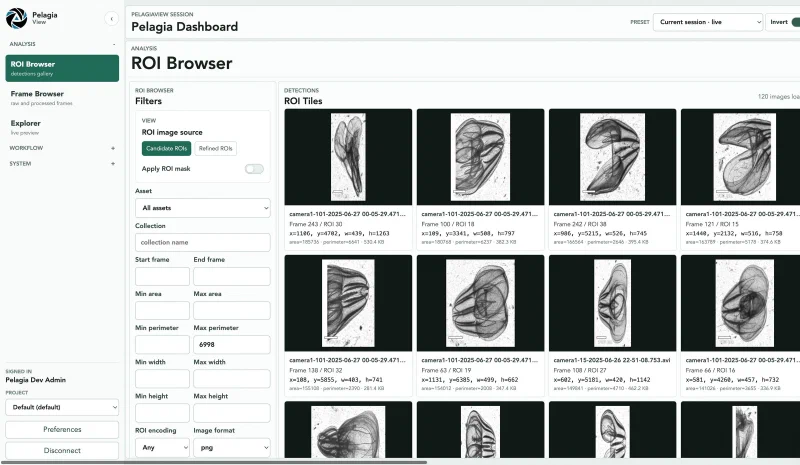
Pelagia brings real-time plankton identification, high-throughput image processing, and interactive scientific review into one integrated suite. It is being built from direct experience operating imaging systems at sea, processing their data at scale, and working with scientists to turn imagery into defensible observations.
Imagery becomes biological observations while acquisition is still underway. No growing backlog waiting on shore.
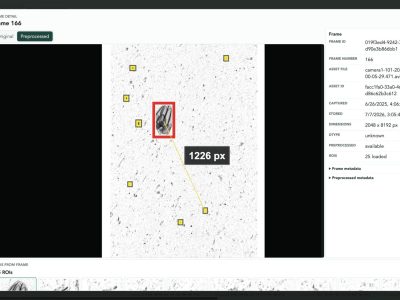
Classifications, masks, measurements, and confidence cues stay visible. Your results and workflow are refined as the dataset teaches you what to look for.
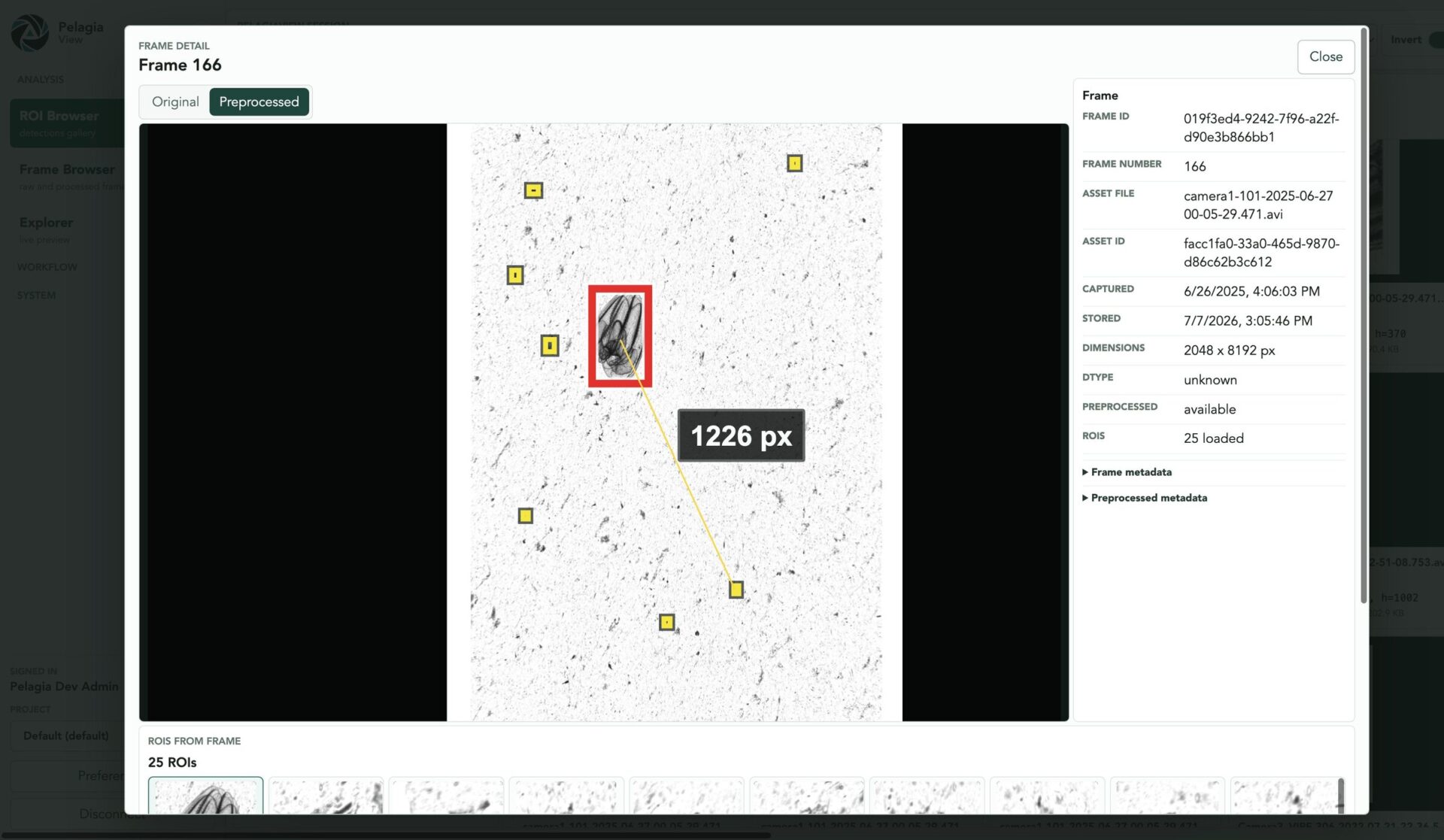
Every region of interest stays connected to its source imagery, acquisition metadata, processing and model versions, and review state.
Once images and environmental data have been collected and the system has been deployed, Pelagia provides the analysis workflow to process, review, and organize those observations into data ready for scientific use.
Pelagia is grounded in Bellamare's engineering and field experience, refined into software by Icy Seas Co-Laboratory, and shaped by the scientists who use it. That collaboration converged on a shared view of what an imagery pipeline should do: preserve context, keep every observation traceable, and keep the scientist in the loop.
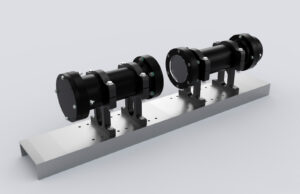
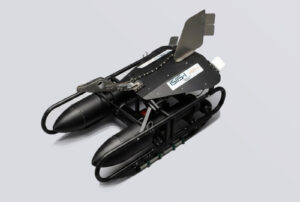
ISIIS-DPI imaging systems, towed and moored platforms, subsea engineering, deployment experience, and development support.

Scientific computing and software development: the Pelagia processing engine and the PelagiaView review workspace.
Zooplankton ecology and in situ imaging, guiding what the workflow has to deliver to be accurate and valuable to the scientists using it.

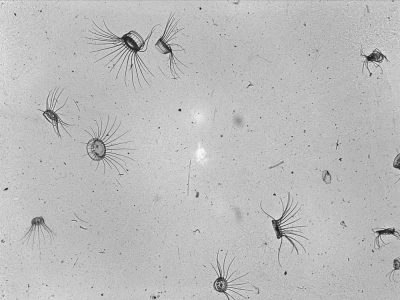
Pelagic signal is often subtle, and confidence usually depends on seeing both the cropped target and everything around it. Review is built into the workflow rather than bolted onto the end of it.
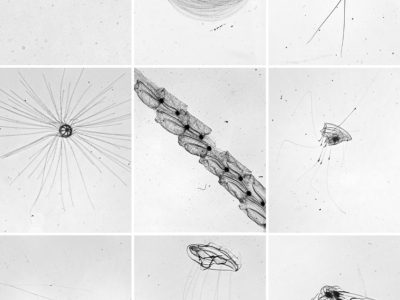
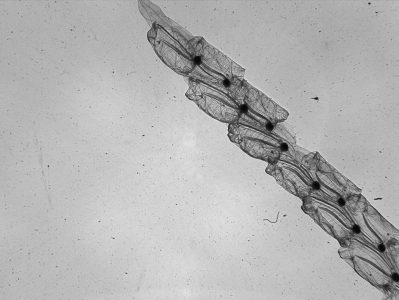
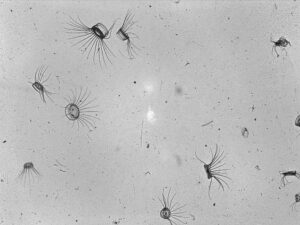
Real images taken with Bellamare equipment, highlighting the Pelagia workflow at every stage.
Open in the image repository →
Pelagia has a hosted demo environment, and the processing engine is open source. Bring the imaging system, the dataset, and the outputs your science needs; the same team supports the instrument and the analysis.